


Sustainability in 2026: From Reporting Obligation to Strategic and Financial Imperative
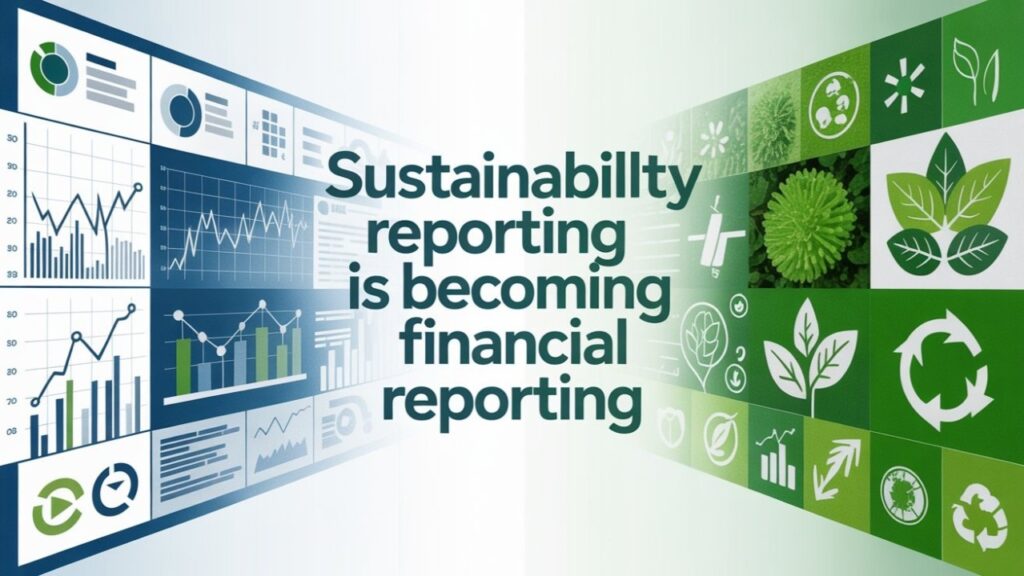
Sustainability has entered a new phase. For years, ESG was largely driven by reporting frameworks, stakeholder expectations, and corporate positioning. Organisations focused on disclosures, commitments, and narrative. That is no longer enough. In 2026, sustainability is being reshaped by regulation, capital markets, and operational risk. It is moving from a reporting exercise to a core business and financial imperative. The shift is visible globally. Regulatory frameworks such as the EU’s Corporate Sustainability Reporting Directive (CSRD) are setting new standards for transparency, requiring detailed, auditable disclosures across environmental and social dimensions. At the same time, regulators across Asia are aligning with similar expectations, signalling that sustainability must be measurable, verifiable, and integrated into decision-making. This is changing how boards think about ESG. The conversation is no longer about what to disclose.It is about what it means for business performance and risk. One of the most significant developments is the recognition that climate risk is enterprise risk. Extreme weather events, supply chain disruptions, and regulatory changes are already affecting operations and financial outcomes. Scenario analyses show that climate-related risks can materially impact asset valuations, cost structures, and long-term viability. This has pushed organisations to move beyond mitigation toward adaptation and resilience. Companies are now investing in: Sustainability is no longer just about reducing impact.It is about ensuring the organisation can operate under changing conditions. Another major shift is the role of data. Sustainability reporting depends on large volumes of complex data — particularly across value chains. Scope 3 emissions, which often account for the majority of environmental impact, remain difficult to measure accurately. This is where technology is playing a transformative role. AI is enabling: However, it also introduces new risks — data quality issues, model assumptions, and governance gaps. This makes board training AI governance increasingly important, as directors need to understand how AI-driven ESG systems are governed, reviewed, and aligned with responsible decision-making. As a result, ESG is increasingly becoming a data governance challenge. Boards must ensure that sustainability data is: Without this, disclosures lose credibility and expose organisations to regulatory and reputational risk. A skilled GRC consultant can help organisations strengthen ESG data controls, improve reporting discipline, and align sustainability information with broader governance and risk frameworks. Another emerging trend is the shift from ESG narrative to ROI. Investors are no longer satisfied with commitments. They are looking for measurable outcomes and financial alignment. Sustainability initiatives are being evaluated based on their impact on cost efficiency, revenue opportunities, and risk mitigation. This is transforming ESG into a capital allocation decision. Organisations that integrate sustainability into strategy are better positioned to attract investment, manage risk, and build long-term resilience. Those that treat it as a compliance exercise risk falling behind. There is also increasing fragmentation in global regulation. Different regions are adopting varying approaches to sustainability, creating complexity for multinational organisations. This makes governance even more critical. Boards must navigate multiple regulatory environments while maintaining consistency in strategy and reporting. The organisations that succeed will be those that treat sustainability not as a standalone function, but as an integrated operating principle. Sustainability is no longer about reporting performance.It is about designing organisations that can perform sustainably. StraitsTribe partners with organisations to embed sustainability into governance, risk, and strategy—turning ESG from compliance into a driver of resilience and long-term value. Frequently Asked Questions Frequently Asked Questions About Dr. S. Sivanesan’s GRC and Governance Advisory Services What is GRC consulting? ⌄ GRC (Governance, Risk, and Compliance) consulting helps organizations align their governance frameworks, manage risks effectively, and ensure compliance with regulatory requirements while supporting strategic objectives. Does Dr. Sivanesan provide AI governance advisory services? ⌄ Yes. Dr. Sivanesan advises organizations on responsible AI adoption, helping them build governance frameworks that address model risk, data privacy, regulatory alignment, and ethical AI deployment at scale. Does Dr. Sivanesan offer board and executive training? ⌄ Yes. Dr. Sivanesan conducts tailored workshops and training sessions for boards and senior leadership teams on governance obligations, risk oversight responsibilities, and emerging regulatory trends. What is Dr. Sivanesan’s experience in governance and risk management? ⌄ Dr. Sivanesan brings decades of cross-sector experience spanning financial services, healthcare, and technology. He has advised public institutions, regulators, and private enterprises on enterprise risk management, audit frameworks, and governance transformation. What makes Dr. Sivanesan different from other GRC consultants? ⌄ Dr. Sivanesan combines deep academic credentials with hands-on board-level advisory experience. His approach integrates strategic thinking with practical implementation — ensuring frameworks are not just compliant, but genuinely useful to the organisation.