

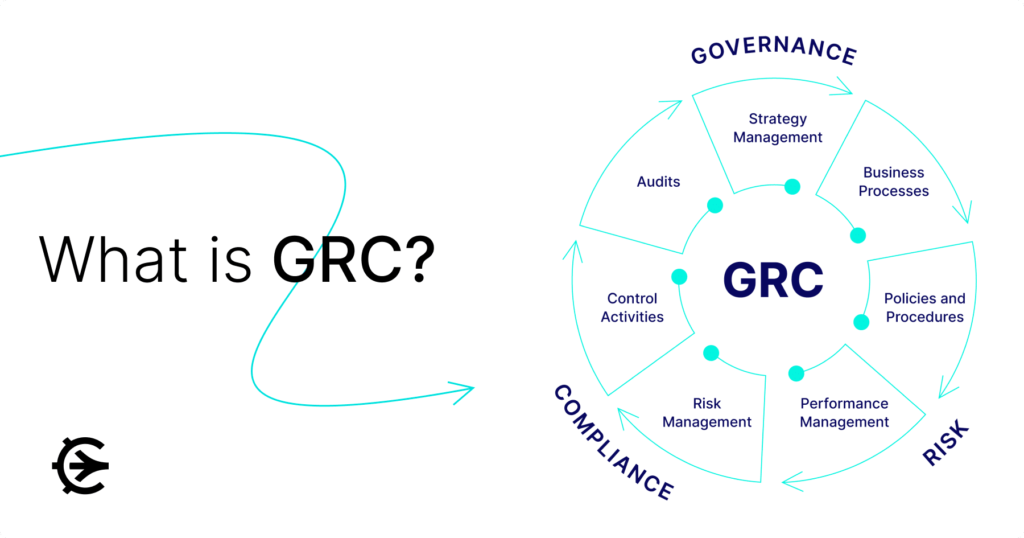
For years, Governance, Risk, and Compliance sat quietly in the background of organizations — structured, methodical, and largely retrospective. It was built around control, periodic audits, static risk registers, and compliance checklists that operated on a predictable rhythm. But that world no longer exists. Today, risk moves faster than governance frameworks were ever designed to handle. Artificial intelligence is accelerating decisions, regulations are evolving in real time, and ESG scrutiny is reshaping expectations from regulators, investors, and stakeholders alike. In this environment, GRC can no longer remain a support function. It is increasingly becoming the operating system of the enterprise.
What we are witnessing is a fundamental shift from oversight to intelligence. Leading organizations are moving away from episodic reviews toward continuous, data-driven governance. This is not just a technology upgrade; it is a change in how organizations think about risk. AI systems are now making autonomous decisions, supply chains are globally interconnected, cyber threats evolve by the hour, and ESG disclosures are under constant scrutiny. Nearly half of organizations are already using AI for real-time risk monitoring, while a significant proportion are automating compliance workflows. This signals a clear direction of travel — toward governance that is always on, always informed, and always relevant.
At the same time, a critical gap is emerging. While AI adoption is accelerating rapidly, governance is struggling to keep pace. Many boards still lack formal oversight mechanisms for AI, even as organizations scale intelligent systems across operations. This creates a paradox where innovation is moving at speed, but accountability is lagging behind. Without the right governance structures, AI does not just create opportunity — it introduces new forms of risk, from bias and opacity to regulatory exposure and reputational damage. This is where GRC must evolve beyond control and become a strategic enabler of responsible innovation.
One of the most persistent challenges I continue to see is fragmentation. Risk sits in one system, compliance in another, audit in a third, and ESG somewhere else entirely. This siloed approach creates blind spots, and in today’s environment, blind spots are not just inefficiencies — they are vulnerabilities. Modern GRC is moving toward integrated ecosystems where data flows across functions, enabling real-time visibility and shared accountability. Because risk does not exist in silos, governance cannot afford to either.
What differentiates organizations that are getting this right is not the number of frameworks they have in place, but the quality of questions their leadership teams are asking. Do we have real-time visibility of risk? Is AI being governed as rigorously as it is being deployed? Are decisions being made with integrated risk intelligence? GRC is shifting from assurance to advisory, from checking compliance to shaping strategy. It is no longer about documenting what went wrong, but about anticipating what could.
We are entering an era where governance must move at the speed of business. In a world of real-time risk, delayed governance is not just ineffective — it is a failure. The organizations that will lead are those that recognize GRC not as a function to manage, but as a capability to compete. Because increasingly, the difference between resilience and disruption lies in how intelligently and how quickly an organization can govern itself.

- ONLY 2 DAYS TO GO! Are you in? - September 30, 2026
- THE COUNTDOWN BEGINS – SESSION 1 OF OUR 12-PART WEBINAR SERIES! - September 30, 2026
- Raffles Education Institute Presents: Future-Ready Business Series 2026 - September 30, 2026